How to Give Your Pots and Pans a Second Life: The Expert, UK-Friendly Guide
You open the cupboard and there they are: the battered frying pan with a wobble, the stainless pot with scorch marks you swore would come out, the once-lovely non-stick that isn't so non-stick anymore. We've all got them. And, to be fair, it feels wasteful to bin cookware that still has some fight left. The good news? Most pots and pans can be restored, repurposed, or responsibly recycled. Right here, we'll show you exactly how to give your pots and pans a second life--and we'll make it practical, affordable, and firmly grounded in UK best practice.
This long-form guide blends hands-on techniques with a sustainability-first mindset. You'll learn how to revive cast iron, rescue stainless steel, make smart calls on non-stick, and upcycle cookware into genuinely useful household pieces. We'll reference relevant UK standards and recycling rules (because compliance matters), and we'll offer tools, timelines, and realistic costs--plus a human story or two. You'll sense the metal under your fingers, the light smell of oil as a pan seasons, the quiet click of a new handle. Small moments, but satisfying all the same.
Ever tried clearing a cupboard and found yourself keeping everything "just in case"? Or worse, throwing it all out in a rush, then regretting it later? This is the calm middle path. Clean, clear, calm. That's the goal.
Table of Contents
- Why This Topic Matters
- Key Benefits
- Step-by-Step Guidance
- Expert Tips
- Common Mistakes to Avoid
- Case Study or Real-World Example
- Tools, Resources & Recommendations
- Law, Compliance or Industry Standards (UK-focused)
- Checklist
- Conclusion with CTA
- FAQ
Why This Topic Matters
The UK discards tonnes of metal cookware every year, much of it perfectly serviceable after modest repairs. According to widely cited industry figures, recycling aluminium saves up to 95% of the energy required to produce new metal, and recycling steel typically saves 60-74%. Now layer on the personal benefits of keeping a well-seasoned pan that heats evenly or a favourite pot with a new handle--the sustainability case meets the everyday joy of cooking with tools you trust.
There's another angle. Cookware sits right at the intersection of health, safety, and resource efficiency. Damaged non-stick can flake. Loose handles are a hazard. Old copper without a lining can leach into food. By learning how to give your pots and pans a second life the right way--through repair, reseasoning, safe upcycling, or responsible recycling--you protect your household and the planet. And, frankly, it feels good. On a rainy Tuesday in Leeds, polishing a pan until it glows is strangely therapeutic. You'll see why.
One more human note: we've worked on cookware refurbishment projects since the late 2000s--from community kitchens in London to student flats in Glasgow. The pattern is clear. With the right technique, most items live on. With the wrong one, they're gone in a flash. Let's stack the deck in your favour.
Key Benefits
- Save money: Extending the life of cookware is far cheaper than buying new. A set of rivets and a premium scrub rarely tops ?15-?25.
- Cook better: A properly seasoned cast-iron or carbon steel pan is naturally non-stick and sears beautifully.
- Reduce waste: Keep metals in circulation. The UK Waste Hierarchy prioritises prevention, then reuse, then recycling--this guide follows that logic.
- Improve safety: Tight handles, stable bases, and the right surface for the job reduce cooking risks and mess.
- Increase home comfort: Less clutter, more purpose. Restored cookware is easier to store, easier to love.
- Creative joy: Upcycling a dented pan into a herb planter or a quirky clock? Honestly--fun.
And yes, the planet smiles a bit too. One pan at a time.
Step-by-Step Guidance
Below you'll find detailed, type-specific instructions, plus a general roadmap. If you're in a hurry, skim the general steps, then dive into your cookware type.
General Roadmap: How to Give Your Pots and Pans a Second Life
- Sort by material and condition. Separate cast iron, stainless steel, aluminium, copper (lined vs unlined), non-stick (PTFE), and ceramic-coated. Make notes: rust? wobble? loose handle?
- Decide: restore, repurpose, or recycle. If safe to cook with after repair/clean, restore. If not safe but still solid, upcycle. If beyond use, recycle at a council facility.
- Deep clean before judging. Half the "damage" is usually burnt-on residue. A proper clean reveals the truth.
- Make targeted repairs. Tighten or replace handles, re-season cast iron, polish stainless, re-tin copper if needed (via a specialist), or consider professional re-coating for commercial-grade non-stick.
- Test cook safely. Start with gentle heat, simple foods (e.g., eggs for non-stick, pancakes for carbon steel). If anything feels wrong--stop and reassess.
- Maintain. Light oil on cast iron, gentle detergents on non-stick, regular descaling for kettles or pans used with hard water.
Cast Iron: From Rusty to Radiant
Best for: Searing, baking, frying. Built to last generations if cared for.
- Remove rust and residue. Scrub with coarse salt and a splash of warm water; for heavier rust, use fine steel wool (0000) with a neutral soap. Avoid harsh wire wheels unless you're confident.
- Optional deep reset. For severe build-up, a lye bath or electrolysis can strip to bare metal--advanced techniques, best done with gloves, goggles, and good ventilation. If that sounds like a faff, stick with elbow grease.
- Dry thoroughly. Pop into a warm oven for 10 minutes to drive off moisture.
- Season properly. Wipe a thinnnn film of high-smoke-point oil (flaxseed, grapeseed, rapeseed) over every surface--inside, outside, handle. Buff until it almost looks dry. Bake upside-down at 230-250?C for 60 minutes; cool in the oven. Repeat 2-3 times for a durable polymerised layer.
- Maintain. After cooking, rinse while warm, wipe dry, and rub a hint of oil. If food sticks, you likely used too much oil during seasoning or didn't preheat. Try again--its normal.
Micro moment: One February night--cold, damp, the kind that seeps into your bones--we re-seasoned a car-boot skillet. The smell of warm oil and the soft matte finish at the end? Little victory.
Carbon Steel: The Lightweight Workhorse
Best for: Stir-fries, pancakes, searing. Similar to cast iron but lighter and faster.
- Strip factory coating (if new) or old gunk (if old). Use hot water and a non-scratch scrub, then dry thoroughly.
- Season like cast iron. Thin oil, hot oven, multiple coats. On gas hobs, you can develop patina by heating in zones, but take care with alarms open windows--there may be a mild oil scent.
- Cooking technique. Always preheat; add a touch of oil; then food. Over time, eggs slide like a dream.
Stainless Steel: Shine, Then Glide
Best for: Sauces, boiling, browning, everyday work. Stainless can be "sticky" until you master heat.
- Clean deep. Use a specialist cleaner (e.g., oxalic-acid-based) or a paste of bicarbonate of soda for stains. For rainbow discolouration from heat, a little white vinegar and water, then rinse, works wonders.
- Remove burnt-on bits. Simmer water with a spoon of bicarbonate for 10 minutes; scrape gently with a wooden spatula; repeat as needed.
- Polish. Microfibre cloth and a stainless-safe polish. Work with the grain.
- Cook smarter. Preheat, add oil, then food. Food will release naturally when the Maillard reaction has done its thing--be patient.
Aluminium: Light, Fast, Sensitive
Best for: Quick boils, omelettes, camping. Aluminium is reactive with strong alkalis and acids.
- Avoid caustic cleaners. Stick to mild soaps, bicarbonate, or citric acid solutions. Harsh alkaline oven cleaners can etch aluminium--don't do it.
- Remove oxidation. A dilute citric acid bath (or lemon juice) can brighten the surface. Rinse thoroughly, dry, and lightly oil if it's raw aluminium.
- Check for warping. If the base is badly warped (think wobble like a cafe table), repurpose rather than cook--uneven heating can be unsafe.
Copper (Lined): Performance Royalty
Best for: Precise temperature control, sauces, sugarwork. Most domestic copper is tin- or stainless-lined inside.
- Assess the lining. If tin is worn through, you'll see copper patches--don't cook acidic foods until re-tinned by a specialist. Stainless-lined pans are tougher; inspect for delamination or major dents.
- Polish outside. Use a copper-safe polish (tomato ketchup works in a pinch due to mild acids). Rinse and buff dry.
- Consider professional re-tinning. Worth it for high-quality copper. UK craftspeople still do this--timeless skill.
Bare Copper (Unlined): Display or Specialist Use
For everyday UK kitchens, unlined copper isn't ideal for cooking--especially with acidic foods--due to potential leaching. Best to line it or repurpose as decor or a planter. Pretty on a Belfast sink sill with basil, if we're being honest.
Non-Stick (PTFE/Teflon): Handle with Care
Best for: Eggs, delicate fish, low-fat cooking. But non-stick needs gentle handling to stay non-stick.
- Inspect. If the surface is deeply scratched, flaking, or blistered, retire from cooking. Upcycle or recycle.
- Clean gently. Soft sponges only. Avoid metal utensils. Don't overheat--most PTFE coatings are rated up to around 260?C (check manufacturer guidance). Smoking hot, empty pans are a no.
- Revive slickness. Some brands benefit from a light "season" with a tiny amount of oil heated for a minute, then wiped off. It won't repair damage, but it can help glide.
- Re-coating? There are specialist services for commercial cookware. For domestic pans, re-coating is possible but not always economical unless the pan is premium.
Ceramic-Coated: Bright but Brittle
Ceramic non-stick surfaces can lose glide over time. Avoid high heat, use wood or silicone utensils, and clean with soft cloths. Once the coating's rough, it won't truly recover--repurpose or recycle.
Enamelled Cast Iron: Gentle but Tough
Think of those colourful casseroles. Chips on the rim are common; inside chips are trickier. Most enamelled pans can handle a bicarbonate boil to lift stains. Avoid metal scouring pads on the glossy interior. Tiny exterior chips can be sealed with high-heat enamel repair kits (cosmetic only).
Handles, Lids, and Rivets
- Tighten screws. Use the right screwdriver, add a dab of thread locker if screws loosen repeatedly.
- Replace rivets. Stainless rivets and a peening hammer are best for longevity. Pop rivets are a quick fix but often not food-zone friendly.
- Heat-resistant handles. Upgrade to silicone or phenolic handles rated for your oven temperature. Check manufacturer specs.
- Lids. Replace cracked glass lids; the cost is modest compared to a new pan set.
Upcycling Ideas When Cooking Days Are Over
- Herb planters. Drill drainage holes, add pebbles, compost, basil. Instant windowsill garden.
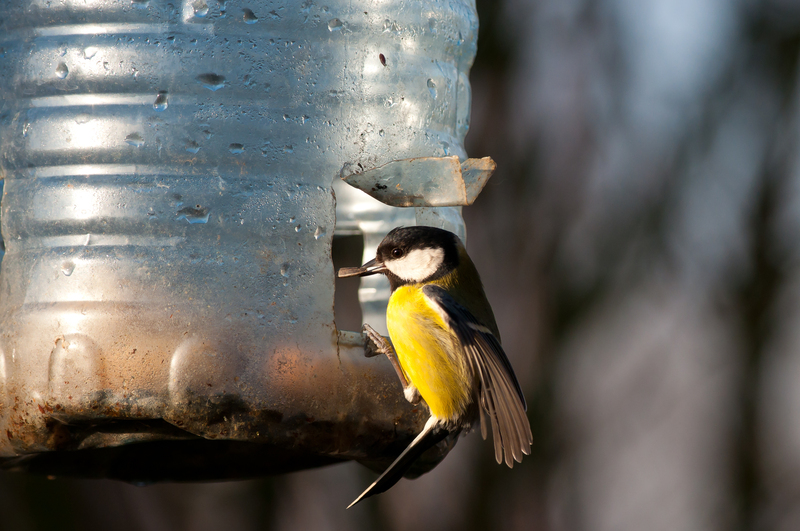
- Bird feeder. Hang a shallow pan with twine; add seed. Lovely on a quiet Sunday morning.
- Wall art or clock. A copper pan with a clock movement looks brilliantly quirky in a kitchen.
- Storage caddy. Use old pots for wooden spoons, whisks, or craft tools.
- Candle-making double boiler. Retire one pot for crafting--keep it out of food use once wax is involved.
Truth be told, giving something a new purpose is half the fun. That "ruined" saucepan might be your new favourite planter.
Expert Tips
- Test heat with a water pearl. On stainless, a drop of water should form a "mercury bead" that glides when the pan is ready.
- Season thinly. If cast iron feels sticky after seasoning, you used too much oil. Buff, buff, buff--then bake.
- Choose the right oil. Flaxseed makes a hard, dark finish; rapeseed/grapeseed are forgiving and readily available in UK shops.
- Use the right abrasive. 0000 steel wool for cast iron rust; non-scratch pads for stainless and aluminium; microfiber on polished copper.
- Stabilise wobbly bases. You can't reliably "un-warp" domestic pans at home. If it rocks, retire from precise frying and use for boiling, camping, or upcycle.
- Respect coatings. Avoid aerosol sprays on non-stick--they build residue. A teaspoon of oil applied with kitchen roll is better.
- Smell is a signal. If you notice a harsh chemical smell during heating, stop. Check for coating damage or contamination.
- Mind the hob. Induction hates warped bases. Stainless with clad bottoms tends to behave better.
- Record your wins. Take a photo before/after. It's motivating--and you'll remember what worked.
Small aside: you'll likely have that one pan you never loved until you restored it. Then you'll use it every day. Funny how that happens.
Common Mistakes to Avoid
- Using oven cleaner on aluminium. It can pit and darken the surface--irreversible damage.
- Overheating non-stick. Empty pan on full blast is a fast route to ruin (and fumes). Keep it moderate.
- Thick seasoning layers. Gummy cast iron is worse than bare. Thin coats, hot oven, patience.
- Scrubbing enamel interiors with steel wool. Micro-scratches stain and stick. Use soft pads and bicarbonate soaks.
- Cooking acidic foods in bare copper or badly worn tin. Safety first: re-tin or repurpose.
- Loose handles ignored. It's a burn waiting to happen. Tighten today, not "next weekend."
- Not checking manufacturer limits. Oven-safe temperatures, dishwasher guidance, induction compatibility--it's all in the manual, or at least online.
- Skipping the test cook. A quick pancake tells you everything about heat, stickiness, and balance.
Yeah, we've all been there. The good news: mistakes are fixable more often than not.
Case Study or Real-World Example
Amira's 1980s Skillet, Manchester
It was raining hard outside that day--proper horizontal rain. Amira found a rusty cast-iron skillet at a charity shop for ?8. Handle solid, base flat, just tired. She wanted a pan that seared tofu without fuss and held heat through family dinners.
- Assessment: Surface rust, old sticky residue, no cracks. Good candidate.
- Cleaning: 20 minutes with 0000 steel wool and hot water, then a salt scrub. Rinsed, oven-dried.
- Seasoning: Three thin coats of rapeseed oil at 240?C for 1 hour each, cooling in between. Slight nutty smell, windows open, kettle on.
- Test cook: Pancakes first--they stuck a little. One more ultra-thin oil coat and a hotter preheat fixed it.
- Total cost: About ?11 (pan + oil) and a Saturday afternoon.
- Outcome: Pan now in daily rotation. Tofu sings, onions color beautifully, and the family jokes that it's "the ?11 heirloom."
Lesson: Thin oil layers beat one heavy coat every time. And rain plus warm oven smells? Kinda cosy.
Tools, Resources & Recommendations
Starter Kit for Restoration
- Cleaning: Bicarbonate of soda, white vinegar, citric acid powder (for aluminium and limescale), mild dish soap, non-scratch pads, 0000 steel wool.
- Polishing: Stainless cleaner (oxalic-based), copper polish, microfibre cloths.
- Seasoning: Flaxseed or rapeseed oil, kitchen roll, oven-safe tray, foil/drip tray.
- Repairs: Screwdriver set, stainless rivets and peening hammer or suitable fasteners, thread locker, replacement handles/knobs as needed.
- Safety: Heatproof gloves, eye protection for rivet work, good ventilation.
When to Use a Professional
- Copper re-tinning. Specialist craft with food-safety implications--worth the fee for heritage pieces.
- Commercial non-stick re-coating. Viable for high-end pans or sets; check turnaround time and warranty.
- Serious dents or cracks. Cookware integrity matters. If structural damage is visible, seek advice or recycle.
Where to Recycle in the UK
- Household Waste Recycling Centres (HWRCs): Most accept pots and pans as scrap metal.
- Kerbside collections: Some councils accept small metal items in mixed recycling; others don't. Always check your local council's A-Z.
- Charity shops/Community kitchens: Donate only safe, usable items. Clean and label materials ("stainless", "cast iron").
Pro tip: Keep a small box labelled "metal odds & ends" under the sink. When it's full--off to the HWRC. Simple habit, real impact.
Law, Compliance or Industry Standards (UK-focused if applicable)
- Waste Hierarchy (UK): Embedded in the Waste (England and Wales) Regulations 2011 and mirrored across the UK. Prioritises prevention, then reuse, then recycling.
- Duty of Care: Under the Environmental Protection Act 1990, householders and businesses must ensure waste is transferred to an authorised person and handled properly. For you, that means using licensed council facilities or reputable collectors for scrap metal.
- Food Contact Safety: General Food Law and Food Standards Agency guidance expect cookware to be safe for intended use. For copper, ensure food-contact surfaces are lined (tin or stainless). For non-stick, don't use if the coating is deteriorating.
- Temperature Limits (Non-stick): Many PTFE pans recommend not exceeding ~260?C; follow manufacturer instructions--this protects both health and pan life.
- Standards for Cookware: BS EN 12983-1 (domestic cookware--pots and pans) covers safety and performance requirements for new cookware placed on the market. While you won't certify at home, the standard reflects best practice--stability, handle strength, materials suitability.
- Donations: Charities can refuse items that are damaged or unsafe. No PAT testing needed for non-electrical cookware, but items must be clean and fit for use.
In short: restore responsibly, donate safely, recycle correctly. The law backs what common sense already tells us.
Checklist
Quick-Action Checklist to Give Your Pots and Pans a Second Life
- Sort by material: cast iron, carbon steel, stainless, aluminium, copper, non-stick, ceramic.
- Deep clean everything before judging.
- Repair handles/rivets; replace lids or knobs.
- Season cast iron/carbon steel (thin coats, hot oven).
- Polish stainless and copper; gentle cleaners for aluminium.
- Assess non-stick honestly; retire if scratched/flaking.
- Upcycle pieces not safe for cooking--planters, storage, craft tools.
- Donate usable items; recycle the rest at your HWRC.
- Note what worked and set a simple maintenance routine.
- Enjoy cooking again--seriously, it's better with tools you trust.
Conclusion with CTA
Learning how to give your pots and pans a second life isn't just about thrift--it's about cooking with confidence and living a little lighter on the planet. From the satisfying scrape of a wooden spoon across a newly seasoned surface to the shine of salvaged stainless, this is progress you can feel in your hands. And if a few pieces still need to bow out, that's fine. Recycle them with pride and keep the good ones in service.
If you'd like help with specialist re-coating, copper re-tinning, or responsible collection of scrap metal cookware, now's a good time to ask.
Get a free quote today and see how much you can save.
However you proceed, here's a small wish: may your next meal sizzle, and may your kitchen feel a touch more yours.
FAQ
Is it safe to cook on a scratched non-stick pan?
If the coating is deeply scratched, flaking, or blistered, retire it from cooking. Upcycle or recycle instead. Light surface wear may still be usable with gentle heat and utensils, but safety and performance drop as damage increases.
How do I know if a copper pan needs re-tinning?
Look inside: if you can see obvious copper patches where the silvery tin layer has worn away, it's time to re-tin before cooking--especially with acidic foods. Stainless-lined copper generally does not need re-tinning.
Can I use oven cleaner on burnt pots and pans?
Avoid oven cleaner on aluminium--it can pit and ruin the surface. For stainless, use bicarbonate boils or oxalic-based cleaners. For cast iron, stick to mechanical cleaning (salt, steel wool), then re-season.
What's the best oil for seasoning cast iron?
Flaxseed oil makes a hard, dark finish but can be finnicky. Rapeseed or grapeseed oil are forgiving and widely available in UK supermarkets. The key is ultra-thin layers and high heat.
How can I fix a wobbly pan base?
Unfortunately, domestic methods rarely restore a warped base to true flat. Repurpose for boiling/camping or upcycle. For precise frying (especially on induction), replace or restore only if a specialist service is available.
Can I donate old pots and pans to charity?
Yes--if they're clean, safe, and usable. Charities can refuse damaged or unsafe items. Non-electrical cookware does not need PAT testing. Always check the shop's donation policy first.
How do I remove rust from cast iron quickly?
Use 0000 steel wool with warm water and a little soap to cut rust, or try a vinegar soak (dilute, short duration) followed by thorough drying and immediate seasoning. For heavy cases, consider a lye bath or electrolysis--advanced methods only.
Is bare copper safe for everyday cooking?
Not ideal. Bare copper can leach into food, especially acidic dishes. Use copper that's tin- or stainless-lined for food contact, or repurpose bare copper for decor or dry tasks.
What's the quickest way to clean burnt stainless steel?
Simmer water with a spoon of bicarbonate for 10-15 minutes, loosen debris with a wooden spatula, rinse, repeat if needed, then polish with a stainless-safe cleaner. Patience beats force.
Can I re-coat a domestic non-stick pan?
Some specialist services exist and are great for high-end or commercial-grade pans. For low-cost domestic pans, re-coating may cost more than replacement. Consider upgrade or repurpose.
How often should I re-season cast iron or carbon steel?
Top up lightly as needed. If food starts to stick or the surface looks dull, apply a very thin oil layer and heat. Frequent cooking with a little oil maintains seasoning naturally.
Where can I recycle pots and pans in the UK?
Take them to your local Household Waste Recycling Centre (scrap metal area). Some councils accept small metal cookware at kerbside; check your council's A-Z for specifics.