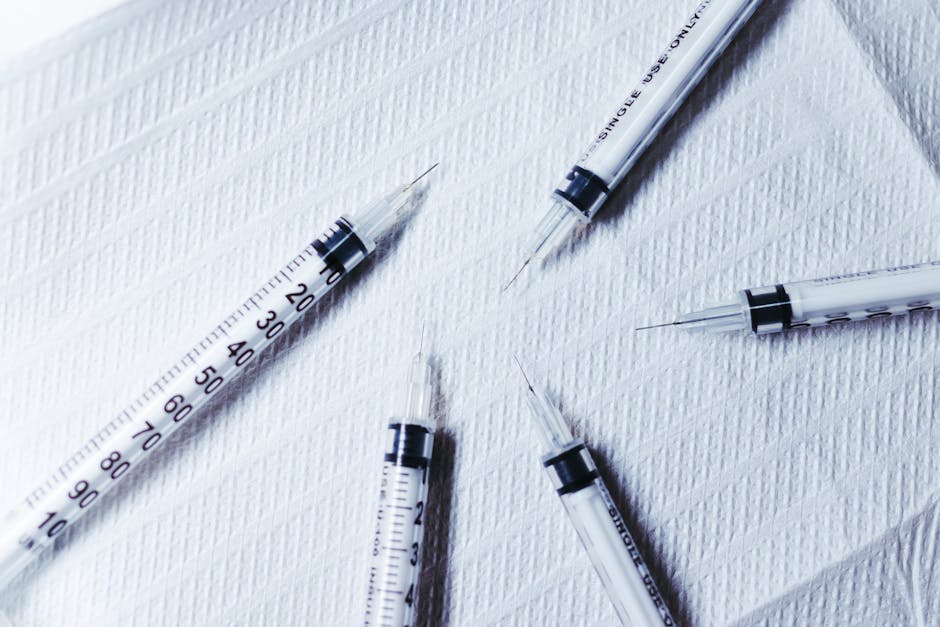
Safe Sharps & Chemicals Disposal in Stratford Homes: A Practical Guide for Safer Households
If you have ever found an old syringe in a drawer, a broken razor in a bathroom caddy, or a half-used bottle of household chemicals at the back of a cupboard, you will know the feeling: a small moment of worry, followed by the question of what to do next. Safe Sharps & Chemicals Disposal in Stratford Homes is not just about tidying up. It is about protecting family members, cleaners, visitors, pets, and anyone who might come into contact with hazardous waste.
In Stratford homes, disposal often becomes a mix of practical common sense and careful judgement. Some items can be handled with simple precautions; others need specialist collection, secure containment, and the right route for disposal. This guide walks through the process in plain English, with enough detail to help you make a sensible decision without overcomplicating things. We will cover risks, methods, compliance, mistakes to avoid, and what a good disposal plan looks like in a real home. Not the polished brochure version. The real one.
Table of Contents
- Why Safe Sharps & Chemicals Disposal in Stratford Homes Matters
- How Safe Sharps & Chemicals Disposal in Stratford Homes Works
- Key Benefits and Practical Advantages
- Who This Is For and When It Makes Sense
- Step-by-Step Guidance
- Expert Tips for Better Results
- Common Mistakes to Avoid
- Tools, Resources and Recommendations
- Law, Compliance, Standards, or Best Practice
- Options, Methods, or Comparison Table
- Case Study or Real-World Example
- Practical Checklist
- Conclusion
- Frequently Asked Questions
Why Safe Sharps & Chemicals Disposal in Stratford Homes Matters
Sharps and chemicals are two of those household categories that people often underestimate. They are easy to ignore because they do not always look dangerous. A small syringe cap, a rusty blade, or a bottle of bleach may seem harmless sitting still on a shelf. But the risk appears when items are touched, knocked over, mixed together, or placed in the wrong bin. That is where cuts, punctures, burns, fumes, and contamination can happen.
In a family home, the risks spread quickly. Children are curious, pets are inquisitive, and even adults can make a mistake when rushing. A cleaning cupboard in a Stratford terraced house, for example, might contain old paint stripper, drain cleaner, disinfectant, insecticide, and a few loose batteries. Nothing dramatic at first glance. Yet if one bottle leaks into another container, the smell alone can make a room unpleasant and unsafe.
The other reason this matters is simple: disposal affects more than your household. Putting sharps or hazardous chemicals into ordinary waste can put refuse handlers at risk and may contaminate recycling streams too. That is not just inconvenient, it is avoidable. To be fair, most people do want to do the right thing; they just are not always sure what the right thing is.
If you are dealing with a wider home clear-out, especially after a move, tenancy change, bereavement, or long-term storage purge, it can help to look at the broader support options available through home and office clearance services in Stratford and the company's recycling and sustainability approach. Safe disposal sits comfortably inside that bigger picture.
Expert summary: The safest approach is usually to separate sharps from chemicals, keep both categories contained, identify anything uncertain, and use the appropriate disposal route rather than improvising. The mistake most people make is trying to solve everything with one bin bag. That rarely ends well.
How Safe Sharps & Chemicals Disposal in Stratford Homes Works
At home level, safe disposal is a process of sorting, securing, and sending the right item to the right place. Sounds basic. It is basic, but the detail matters.
Sharps disposal in plain terms
"Sharps" usually means anything that can puncture or cut skin. In a domestic setting, that may include used needles, lancets, insulin pens with exposed needles, razors, broken glass, craft blades, and sometimes contaminated items from home care. These should not be loose in household rubbish. They need rigid containment so nobody gets a surprise injury later.
At home, a proper sharps container is usually the cleanest way to manage them. Once filled, it should be closed securely and handled according to local arrangements or a specialist collection route. If there is any sign of contamination, leakage, or unusual medical waste, pause and get advice before moving it around.
Chemical disposal in plain terms
Household chemicals are a broader category. Think cleaning fluids, solvents, garden products, paint-related liquids, pesticides, old aerosols, and leftover products stored under the sink or in a shed. Some are irritants, some are corrosive, some are flammable, and some simply should not be mixed with other substances. That last point catches people out more often than you might think.
The safest approach is to keep chemicals in their original containers where possible, with labels intact, and never decant them into drink bottles or unmarked jars. If the label is missing, treat the contents as unknown. Unknown chemicals are where caution becomes non-negotiable.
What the disposal process usually looks like
- Identify the item and decide whether it is a sharp, a chemical, or both.
- Separate it from normal household waste, food waste, and recycling.
- Contain it using the correct packaging or container.
- Label it if needed so nobody else handles it blindly.
- Store it securely until the disposal route is confirmed.
- Dispose through the appropriate service, collection, or approved local process.
A good rule of thumb: if you would be nervous about a child, cleaner, or neighbour picking it up by mistake, it is not ready for ordinary waste collection.
Key Benefits and Practical Advantages
Safe disposal brings benefits that are both obvious and quietly important. The obvious one is safety. The less obvious ones are peace of mind, better household organisation, and less risk of accidental contamination. You notice the difference when the cupboards stop feeling like a mystery box.
- Fewer injury risks: Proper sharps containment prevents cuts and punctures.
- Reduced chemical exposure: Safe storage limits fumes, spills, and skin contact.
- Better hygiene: Waste stays separated from normal household rubbish.
- Less stress during clear-outs: You can move room by room without second-guessing every item.
- More responsible disposal: Hazardous waste is less likely to end up in the wrong stream.
There is also a practical side if you are preparing a property for sale, letting, or a deep declutter. A careful disposal plan means fewer surprises on the day. No last-minute panic because someone found half a bottle of drain cleaner in a garage shelf. We have all seen that kind of moment. Not fun.
For households balancing disposal with wider clear-out work, it can be helpful to review pricing and quotes early, especially if hazardous items are part of a bigger job. Knowing the shape of the job before it starts makes everything calmer.
Who This Is For and When It Makes Sense
This guidance is for more people than you might expect. It is not only for homes with obvious medical waste or workshop chemicals. Stratford households often store small hazardous items without realising it.
Typical situations where safe disposal makes sense
- Homes with insulin needles, lancets, or other self-care sharps
- Bathrooms containing razors, blades, or broken cosmetic tools
- Households with cleaning products, bleach, descalers, or solvents
- Gardensheds with pesticides, weed killer, paint tins, or fuel containers
- Properties being cleared after a tenancy, bereavement, or renovation
- Homes where items have been stored for years and labels are faded or missing
It also makes sense if you are responsible for someone else's property, such as assisting an elderly parent or helping a relative move. In those cases, the decision is not just about disposal. It is about handling the process respectfully and safely, without turning the house upside down.
If you need reassurance about standards and handling, the company's health and safety policy and insurance and safety information are useful trust signals to review before arranging any collection work.
Step-by-Step Guidance
Here is the practical bit. A good disposal process does not need to be complicated, but it does need to be consistent. A little structure saves a lot of bother later.
1) Pause before touching unknown items
If you find something suspicious, do not rush to move it. Look first. Is it sealed? Is it leaking? Is there a smell? Is the container cracked? A quick glance can tell you whether the item needs immediate isolation.
2) Separate sharps from chemicals straight away
Even if both items came from the same drawer, they should not be handled the same way. Put sharps into a rigid container and keep chemicals upright and isolated. Do not mix needles with liquid waste, and do not place chemicals into soft bags where they can tip or leak. Honestly, that is where things get messy fast.
3) Keep original packaging where possible
Original packaging helps identify what you are dealing with. It also gives the next handler a better chance of making the right decision. If the label is damaged, take a careful note of the product name, colour, smell, and any warning symbols. Those details matter more than people realise.
4) Decide whether the item is household waste or hazardous waste
Some household items are low-risk and can be dealt with through standard routes if they are properly packaged. Others should be treated as hazardous. If you are unsure, always choose the more cautious route. One slightly awkward extra step is better than an incident in the kitchen.
5) Store securely until disposal
Place the items somewhere cool, dry, and out of reach of children or pets. Avoid heat sources, sunlight, or areas where containers may be knocked over. If a shed smells strongly of chemicals on a warm afternoon, that is a clue, not a coincidence.
6) Arrange the right disposal route
Depending on the item and volume, the route may involve council guidance, a specialist collection, or support through a clearance provider that handles hazardous items carefully. If the job is part of a full household clearance, it may be more efficient to manage hazardous items alongside other waste streams in one controlled visit rather than piecing it together yourself.
7) Clean the area after removal
Once the items are gone, inspect shelves, drawers, and floors for residue, fragments, or spills. A tiny drip left behind can still create smell, stain, or contamination. It is the sort of detail people forget when they are relieved the main items are out of the way.
Expert Tips for Better Results
In our experience, better outcomes come from small habits rather than dramatic effort. A few practical habits can make the whole process safer and less stressful.
- Use a dedicated box for uncertain items. If you are not sure what something is, do not let it wander around the house. Keep a holding box for review.
- Work one room at a time. Kitchens, bathrooms, garages, and sheds each tend to hide different hazards.
- Never mix chemicals. Even products that seem similar can react badly. Bleach and ammonia are a classic example people hear about, but there are many combinations to avoid.
- Check caps and lids before moving items. A loose lid turns a simple carry into a spill risk.
- Use gloves only as a back-up, not a licence to be casual. Gloves help, but they do not make sharp objects safe to handle carelessly.
- Write a list if the collection is delayed. It helps you remember what is stored where. Sounds dull, but it works.
One small but useful tip: keep a phone photo of hazardous items before disposal, especially if they are old, faded, or part of an insurance-sensitive move. It is one of those little admin habits that saves time later. Not glamorous, I know, but very handy.
If the waste forms part of a larger decluttering or property turnover project, you may also want to review the company's about us page to understand how they approach household and business clearances in a straightforward, accountable way.
Common Mistakes to Avoid
This is where a lot of avoidable trouble starts. The mistakes are usually simple, which is exactly why they happen.
- Throwing sharps into loose household waste: This creates a direct injury risk for anyone handling the bag later.
- Decanting chemicals into food or drink containers: It may seem tidy, but it is dangerous and confusing for everyone.
- Mixing products together: Some chemical combinations can release harmful fumes or create reactions.
- Ignoring faded or missing labels: Unknown contents should never be treated casually.
- Storing hazardous waste near heat or sunlight: This can increase leakage or pressure in containers.
- Leaving items accessible to children or pets: Even a closed cupboard can be easy to open if it is in the wrong place.
- Assuming one disposal method fits all: Sharps, solvents, aerosols, and pesticides may need different handling.
And yes, it is tempting to "just deal with it later." That phrase has caused more household safety issues than anyone likes to admit. Later is often when the lid has split, the bottle has leaked, and the smell has settled into the room.
Tools, Resources and Recommendations
You do not need a huge amount of equipment to manage this well. A few sensible tools are usually enough for a domestic setting.
| Item | Why it helps | Best use |
|---|---|---|
| Rigid sharps container | Prevents punctures and keeps needles or blades contained | Used sharps, blades, and similar cut risks |
| Disposable gloves | Provides a basic barrier during handling | Short inspection or transfer work |
| Sealable plastic tub or tray | Helps contain small leaks and upright storage | Bottles, aerosols, and minor chemical containers |
| Permanent marker | Useful for writing notes on containers or bags | Labelling unknowns or mixed household bundles |
| Absorbent material | Can help manage a minor spill while you isolate the area | Very small household leaks only |
For many Stratford homes, the safest route is not to manage everything alone. If the waste is part of a broader clear-out or you simply want a tidy, responsible handover, it is sensible to ask for a quote and confirm how hazardous items are handled in practice. The pricing and quotes page can help you understand the process before you commit.
Also useful: if you value environmentally careful handling, the recycling and sustainability information is worth reading, because not every item should be treated as general waste when a better route exists.
Law, Compliance, Standards, or Best Practice
When dealing with sharps and chemicals, the safest advice is to follow recognised UK household and waste-handling best practice, and to treat anything uncertain with caution. The exact rules can vary depending on the type of waste, the quantity, and the local collection arrangements available at the time. So, while there is no one-size-fits-all answer, a few principles remain steady.
First, do not place hazardous items into ordinary mixed waste unless you are sure that is appropriate. Second, keep items identifiable and contained. Third, avoid storing hazardous materials in a way that could endanger other people in the home or anyone collecting the waste later. Fourth, if a product is labelled as corrosive, flammable, toxic, or otherwise hazardous, do not guess. Treat the label seriously.
From a best-practice point of view, a responsible household should:
- keep hazardous waste separate from recycling and food waste
- preserve labels and product information where possible
- store sharps in a rigid, secure container
- prevent leaks, punctures, and mixing of chemical products
- use a reputable service with clear safety and insurance standards
It also helps to choose providers who are transparent about procedures. That is one reason policy pages matter. You can review the company's terms and conditions, payment and security information, and complaints procedure before arranging any work. It is not exciting reading, granted, but it tells you a lot about how seriously the business takes responsibility.
Options, Methods, or Comparison Table
People usually have three broad choices: manage the waste themselves with care, use a local disposal route, or book a specialist clearance service. The right option depends on what you have, how much of it there is, and how confident you feel handling it safely.
| Method | Best for | Pros | Limitations |
|---|---|---|---|
| Careful DIY sorting | Very small, clearly identified household items | Quick for simple cases, minimal scheduling | Higher risk if labels are missing or quantities grow |
| Local collection or drop-off route | Single-category items with clear guidance | Often straightforward, may suit routine disposal | May not suit mixed or uncertain hazardous waste |
| Specialist clearance support | Mixed waste, larger volumes, or uncertain items | Safer handling, less burden on the householder | Usually requires booking and a clear scope |
As a practical matter, if you have both sharps and chemicals in the same property, specialist help often becomes the most sensible option. It removes guesswork and keeps the household routine intact. That counts for a lot, especially during a stressful week.
Case Study or Real-World Example
Here is a common Stratford scenario. A family clears out a spare room after years of storage. Inside they find an old first-aid box, a bundle of craft blades, two bottles of household cleaner with faded labels, a tin of paint-related liquid, and a small box containing used medical sharps from a previous care arrangement. Nothing dramatic, but enough to cause hesitation.
They start by leaving everything in place for the moment, then separate the sharps into a rigid container and the chemicals into a lidded tray. They take photos of the labels and note which bottles are damaged. One bottle has a cracked cap, so it is placed upright inside a secondary container. The room is ventilated. Simple, calm steps.
Instead of trying to squeeze everything into general waste, they arrange a proper collection as part of a wider clear-out. The result is not just safer. It is cleaner emotionally too. There is less of that background worry that someone will stumble across the items later. By the end of the day, the spare room feels usable again rather than vaguely hazardous. Nice little win, really.
The point of the example is not that every home will have the same items. It is that the process works best when people slow down just enough to sort, secure, and decide before moving anything on.
Practical Checklist
Use this simple checklist before disposal or collection. It keeps the job orderly and makes it easier to hand over safely.
- Have I identified whether the item is a sharp, a chemical, or both?
- Is the item contained in the right type of container?
- Are labels visible, or have I recorded the contents separately?
- Have I kept sharps away from general household waste?
- Have I kept chemicals upright and away from heat sources?
- Are there any leaks, smells, cracks, or damaged lids?
- Have I kept the items out of reach of children and pets?
- Do I know whether this is a DIY disposal job or one that needs support?
- Have I checked the provider's safety, insurance, and policy information?
- Have I set aside time to inspect the area after disposal?
If you can tick most of those boxes, you are on the right track. If not, that is fine too. Better to pause than to rush.
Conclusion
Safe Sharps & Chemicals Disposal in Stratford Homes is really about one thing: reducing avoidable risk while keeping the household calm and manageable. The details matter, but they do not need to become overwhelming. Separate the items, contain them properly, keep labels where possible, and choose a disposal route that matches the level of risk involved.
For small, clearly identified items, a careful home-based approach may be enough. For mixed, damaged, or uncertain waste, specialist support is usually the better call. That is especially true when the disposal forms part of a larger clear-out, where one awkward cupboard can hold up the rest of the project. Truth be told, that one cupboard is often the whole story.
And if you are unsure, that is not a failure. It is just the moment to ask the sensible question and take the safer route. A bit of caution now saves a lot of hassle later, and sometimes that small decision is what makes a home feel properly settled again.
Get a free quote today and see how much you can save.
For a straightforward next step, you can also reach out through the contact page or learn more about the team's approach on the about us page. If accessibility matters to you or someone in your household, the accessibility statement is there too.
Frequently Asked Questions
What counts as a sharp in a home?
In most homes, sharps include needles, lancets, blades, broken glass, razors, and any item that can cut or puncture skin. If it could injure someone through a bag or liner, treat it as a sharp.
Can I put used needles in the general rubbish bin?
No, not if you can avoid it. Used needles should be contained in a rigid sharps container or handled through an appropriate disposal route so nobody is exposed to a puncture risk later.
What should I do with chemicals that have no label?
Treat them cautiously and do not mix them with other products. Keep them isolated, note any smell or appearance if safe to do so, and arrange guidance before disposal if you are unsure what they are.
Are cleaning products considered hazardous waste?
Some are, some are not. It depends on the product, the volume, and the hazard symbols or warnings on the container. Strong bleach, solvents, and corrosive cleaners deserve more caution than everyday mild cleaners.
Can sharps and chemicals be stored together before disposal?
They should be kept separate. Sharps need rigid containment, while chemicals need upright, leak-aware storage. Mixing the two creates unnecessary risk and makes handling harder.
How do I know whether I need a specialist collection?
If the waste is mixed, damaged, unlabeled, leaking, or larger than a small household amount, specialist collection is often the safer option. If you are hesitating, that usually tells you something.
What if I only have one or two items?
Even a small number of items should be handled carefully. One broken blade or leaking bottle is still enough to cause an issue if it is thrown away casually.
Do I need to clean the area after removing the items?
Yes, ideally. Check shelves, drawers, and floors for residue, splashes, fragments, or dust. It is easy to focus on the main item and miss the small spill beside it.
Is it safe to pour leftover chemicals down the sink?
Not as a general rule. Some products may have specific disposal instructions, but many should not be poured away. When in doubt, do not guess; keep the item contained and seek the right route.
How can I tell if a chemical container is unsafe to move?
If the container is cracked, swollen, leaking, heavily corroded, or giving off a strong smell, treat it as unstable. Keep your distance, avoid pressure on the container, and arrange proper handling.
What should Stratford homeowners do before booking a clearance service?
Make a quick list of items, separate sharps from chemicals, take note of labels, and check the provider's safety and policy pages. That makes the job smoother and helps you ask the right questions before the team arrives.
Can hazardous waste be included in a full house clearance?
Often yes, provided it is declared in advance and handled under the correct procedures. A full clearance is usually easier when hazardous items are flagged early rather than discovered on the day.