Stratford Broadway Waste Collection: What Residents Need
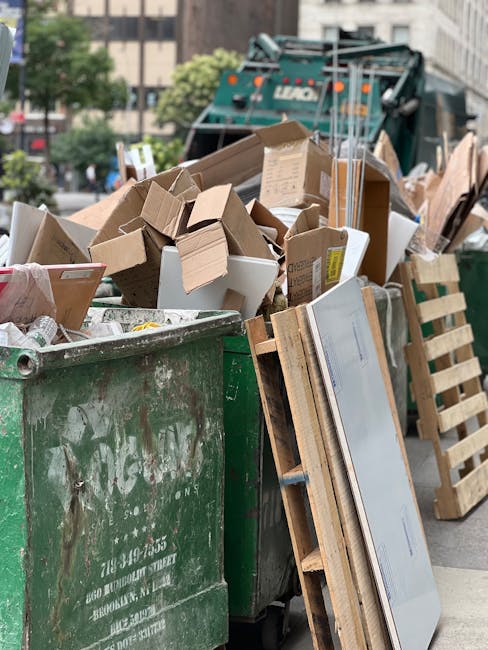
Keeping waste under control in a busy part of London is never just about "getting rid of rubbish". Around Stratford Broadway, residents often need a service that is fast, respectful of neighbours, mindful of access, and careful about sorting what can be reused or recycled. That is where Stratford Broadway waste collection becomes genuinely useful: it helps households deal with everything from old furniture and loft clutter to garden waste, post-renovation debris, and general household clear-outs without turning the job into a weekend headache.
This guide explains what residents need to know in practical terms. You will find how waste collection works, when it makes sense, what to check before booking, and how to avoid the common mistakes that waste time and money. If you are comparing options, a service such as local waste removal in Stratford can sit alongside a broader home project, while more specific jobs may call for furniture disposal, flat clearance, or even builders waste clearance.
One simple truth helps here: the best waste collection is the one that fits your property, your schedule, and the type of items you need removed. Not every clear-out needs a full van, but not every job is a quick bin-sack lift either.
Why Stratford Broadway Waste Collection: What Residents Need Matters
Stratford Broadway is a lively, densely used part of the city, which means waste issues tend to surface quickly. A single overflowing bag, an abandoned mattress, or a pile of renovation offcuts can become more than an inconvenience. It can affect shared entrances, pavement access, communal areas, and even the way a building feels to live in.
For residents, waste collection matters for three main reasons. First, it keeps homes workable. A cluttered hallway, packed loft, or garage full of broken items makes everyday life harder than it should be. Second, it helps keep properties safer and tidier, especially where children, older residents, or shared access points are involved. Third, it supports better disposal choices, because many items can be sorted for recycling, reuse, or specialist handling rather than being treated as mixed rubbish.
There is also a trust issue. In an area with a mix of flats, terraces, rental homes, and busy commercial streets, people need waste services that are punctual and tidy, not services that leave a trail behind them. That is why residents often look for providers with clear policies and visible standards, such as the information offered on the company background page and its recycling approach.
Practical takeaway: good waste collection is not just about removal. It is about access, sorting, compliance, and leaving the property in a better state than it was found.
Table of Contents
- Why Stratford Broadway Waste Collection: What Residents Need Matters
- How Stratford Broadway Waste Collection: What Residents Need Works
- Key Benefits and Practical Advantages
- Who This Is For and When It Makes Sense
- Step-by-Step Guidance
- Expert Tips for Better Results
- Common Mistakes to Avoid
- Tools, Resources and Recommendations
- Law, Compliance, Standards, or Best Practice
- Options, Methods, or Comparison Table
- Case Study or Real-World Example
- Practical Checklist
- Conclusion
- Frequently Asked Questions
How Stratford Broadway Waste Collection: What Residents Need Works
Most resident-focused waste collection services follow a fairly simple pattern, even if the exact service varies by provider. The process usually starts with a description of what needs removing. That might be one bulky item, a roomful of mixed household waste, or a fuller domestic clearance. From there, the provider estimates the job size, access requirements, and any special handling needed.
For many people, the key step is the first assessment. If you live in a flat above street level, have limited parking access, or need items taken from a rear garden or loft, those details matter. A clear description helps avoid surprises on the day. It also helps the provider send the right team and vehicle.
Once booked, the team usually arrives, reviews the items, confirms the plan, and begins loading. Responsible providers separate reusable or recyclable material where possible. If there are heavy items, awkward furniture, or waste from a DIY project, the crew should move carefully and protect common areas where needed. If you are dealing with a full household clear-out rather than a one-off item, options like house clearance or home clearance can be more efficient than piecing the job together yourself.
After collection, the waste should be transferred to appropriate facilities and handled in line with the type of material involved. That might include general waste, metal, wood, cardboard, green waste, electrical items, or furniture. In everyday terms, the best service makes the difficult part look easy, which is exactly what you want when the stairs are narrow and the item you no longer want is somehow always heavier than it looked yesterday.
Key Benefits and Practical Advantages
Residents usually choose waste collection for convenience, but the real value goes much further than saving a trip to the tip. The best services reduce stress, cut the time needed to clear a property, and make larger clean-ups feel manageable instead of overwhelming.
Common practical advantages include:
- Less disruption at home: items leave in one visit rather than sitting in hallways for days.
- Better use of space: clearing clutter quickly can turn a spare room, loft, or garage back into useful space.
- Safer handling: bulky or sharp objects are moved by people used to lifting them safely.
- More suitable sorting: recyclable and reusable items can be separated where possible.
- Faster turnaround: useful when you are moving, renovating, or preparing a rental property.
- Lower stress for shared buildings: clean, organised removal helps avoid nuisance to neighbours.
There is another benefit that often gets overlooked: decision fatigue disappears. If you have a room full of mixed items, it can take hours to decide what stays, what goes, and what needs special handling. A structured waste collection service gives you a clear endpoint, which is surprisingly valuable when life is already busy.
If your project involves worn-out chairs, sofas, wardrobes, or beds, a dedicated furniture clearance service can be more sensible than treating everything as generic rubbish. Likewise, if you are replacing office stock or clearing a work area at home, office clearance may be the better fit.
Who This Is For and When It Makes Sense
Waste collection around Stratford Broadway is useful for a broad range of residents, but it is especially helpful in a few familiar situations.
This service makes sense if you are:
- moving out or downsizing and need items gone quickly;
- clearing a flat, maisonette, or shared property after a tenancy ends;
- refreshing a home and replacing old furniture;
- sorting loft, garage, or shed contents that have built up over time;
- dealing with renovation waste from a small domestic project;
- managing garden cuttings, soil, pots, or outdoor waste;
- needing a tidier, safer property before visitors, sale, or letting viewings.
For flats and smaller homes, the question is often not whether waste collection is useful, but whether it is the most efficient route. In many cases it is. A well-timed visit can remove several categories of clutter in one go, especially when combined with a flat clearance or loft clearance.
For houses with larger storage areas, the benefit is different. It is less about rapid removal and more about reclaiming space without spending every weekend shuffling boxes from one corner to another. Truth be told, a packed loft can become a long-term procrastination project unless there is a plan.
Step-by-Step Guidance
If you want a smooth collection, a little preparation goes a long way. Here is the simplest practical route.
- List what needs removing. Group items by type: furniture, general waste, garden debris, electricals, DIY offcuts, or mixed clutter.
- Check access. Note stairs, parking, restricted entry points, lift availability, or narrow pathways.
- Separate anything you are keeping. This sounds obvious, but it is the step most people underestimate.
- Ask about special items. Mattresses, fridges, paint, plasterboard, or electrical equipment may need different handling.
- Request a clear quote. Make sure the price basis is understood before the collection date.
- Prepare the collection area. Move smaller items into one place if it is safe to do so.
- Confirm what happens next. Ask where the waste will go and whether recycling is part of the service.
If the job is bigger than expected, it is often better to say so early. A clear description is not just polite; it helps avoid underestimating labour, vehicle size, and loading time. Residents with a mixture of domestic rubbish and renovation offcuts may also want to compare builders waste clearance with standard waste collection, because the handling requirements can be quite different.
For a neat process, try this rule: plan the job like a move, even if it is "just rubbish". That mindset prevents half the usual problems.
Expert Tips for Better Results
Experience shows that the best waste collection outcomes come from clarity, not urgency. A few small decisions before the booking can make the whole job feel smoother.
Use these tips:
- Photograph awkward items: useful for quotes and for showing access issues.
- Measure large furniture: wardrobes and sofas can be harder to move than expected.
- Group waste by room: it speeds up loading and helps spot keep/donate decisions.
- Keep pathways clear: stairs and entrances are where delays usually happen.
- Plan for parking: in busy areas, vehicle access can influence collection timing.
- Ask how recycling is handled: that tells you a lot about the provider's standards.
Another smart move is to think in categories instead of "all rubbish". Furniture, wood, green waste, and general rubbish are not identical, and mixing everything in your mind tends to create confusion later. If you are clearing out old chairs, tables, and cabinets, a dedicated furniture disposal service can be a cleaner fit than a generic removal.
Residents in flats should also pay attention to timing. A collection arranged at the wrong time of day can create congestion, awkward lift use, or complaints from neighbours. A quiet morning slot often works better than late afternoon in busy buildings.
Common Mistakes to Avoid
Most collection problems are preventable. They usually come from assumptions rather than difficult circumstances.
- Under-describing the load: "a few bits" can mean very different things to different people.
- Forgetting access details: no one enjoys discovering that a vehicle cannot park nearby.
- Mixing keep and remove piles: once the team arrives, mistakes can happen quickly.
- Ignoring special waste types: some items need specific handling, storage, or declaration.
- Choosing only on price: the cheapest quote is not always the smoothest or safest option.
- Leaving the booking too late: especially risky before a move-out date or refurbishment deadline.
One more mistake deserves its own mention: treating a clearance like a mystery box. If you do not know what is going, the provider cannot plan properly, and you may end up paying for extra time or extra vehicle space. A short, honest inventory works better than guesswork every time.
For landlords and property managers, this matters even more. A faster, more structured approach through house clearance or home clearance can reduce void time and help reset the property efficiently.
Tools, Resources and Recommendations
You do not need specialist equipment for a typical domestic clearance, but a few simple tools make the process easier and safer.
Useful items to have ready:
- strong bin bags or reusable sacks for loose items;
- marker pen or labels for keep/remove sorting;
- measuring tape for large furniture and access points;
- basic gloves if you are sorting through dusty storage areas;
- phone camera for quick photos of bulky or unusual items;
- a small trolley or sack barrow if you are moving items short distances safely.
Beyond tools, there are resources that help you choose the right route. Look for clear service pages, pricing guidance, and trust information. For example, residents often appreciate transparent details on pricing and quotes, practical standards such as insurance and safety, and responsible handling through recycling and sustainability.
If your needs are more specialised, consider the matching service rather than a broad one. Garden waste? Garden clearance. Stored boxes in the roof space? Loft clearance. Broken bikes, tools, and old shelving in a side room? Garage clearance may fit better than a generic collection.
Law, Compliance, Standards, or Best Practice
Waste removal in the UK sits within a framework of general duty, safe handling, and proper transfer to authorised facilities. Residents do not usually need to know every operational detail, but they should understand the basics of responsible disposal.
At a practical level, that means using a provider that can explain where the waste goes, how recyclable material is separated, and how any hazardous or specialist items are treated. It also means avoiding informal disposal arrangements that sound convenient but leave you uncertain about what happens after the collection.
There are a few sensible standards to expect from a reputable provider:
- clear communication about what is accepted and what is not;
- proper insurance and safe working practices;
- respect for shared spaces, floors, stairwells, and entrances;
- responsible treatment of reusable and recyclable material;
- transparent terms around access, labour, and payment.
Where a property involves heavier materials or renovation debris, best practice becomes even more important. If you are unsure whether something is suitable for standard collection, ask before the day. This is especially true for items such as plasterboard, chemicals, paint, or mixed construction waste. A careful provider will be honest if a separate service or handling method is needed.
Trust-building details matter too. Pages such as terms and conditions and health and safety policy are not thrilling reading, admittedly, but they do tell you a lot about how seriously a company treats its work.
Options, Methods, or Comparison Table
Residents usually have three broad ways to deal with unwanted items: take everything themselves, book a general waste collection, or choose a more specific clearance service. The right option depends on volume, access, item type, and time available.
| Option | Best for | Advantages | Limitations |
|---|---|---|---|
| Self-disposal | Small amounts, flexible schedules, easy access | Full control, may suit a single item or light load | Time-consuming, physically demanding, transport needed |
| General waste collection | Mixed household waste, bulky items, quick removal | Convenient, fast, less effort for residents | Needs accurate description, may not suit specialist waste |
| Specialist clearance | Furniture, flats, gardens, lofts, builders' debris | More tailored, often more efficient for specific jobs | Less universal, should match the right waste type |
In practice, the decision often comes down to convenience versus complexity. A couple of bags and a broken chair might not justify much planning. But a flat full of mixed items almost certainly does. That is where a service like waste removal in Stratford becomes a sensible middle ground between DIY and a fully specialised project.
Case Study or Real-World Example
Consider a typical Stratford Broadway flat move-out. The resident has a tired sofa, a coffee table, several black bags of unwanted household items, a broken desk, and a few boxes from the loft that were never unpacked. On paper it sounds manageable. In reality, it involves sorting, lifting, stair access, and making sure nothing useful gets thrown away by mistake.
A better approach is to group the items early, photograph the larger pieces, and confirm access before booking. Furniture goes in one pile, mixed household waste in another, and anything to keep is moved out of the way. On the day, the team can work through the flat efficiently instead of stopping to guess what each item is. If the sofa and desk are the main bulk, a furniture-focused service can handle that part cleanly, while the rest of the items are treated as mixed domestic waste.
The result is not just a cleared room. It is a clearer end to the move. The property looks ready for the next person, the resident avoids several trips up and down stairs, and the job is done with less disruption to neighbours. That is what good waste collection should feel like: calm, organised, and over before the day gets complicated.
Practical Checklist
Use this checklist before booking collection for a home in or around Stratford Broadway.
- Have I listed everything that needs removing?
- Have I separated keep, donate, recycle, and remove piles?
- Do I know whether any items are bulky, heavy, or awkward?
- Have I checked the building access, stairs, and parking situation?
- Do I need a specialist service for furniture, loft contents, garden waste, or building debris?
- Have I asked about insurance, safety, and responsible disposal?
- Have I confirmed the date, time, and payment process?
- Do I understand what is excluded from the quote?
- Have I cleared the route from the items to the exit?
- Am I ready to make quick keep/remove decisions on the day?
If you can answer "yes" to most of those, you are already ahead of the curve.
Conclusion
Stratford Broadway waste collection is most valuable when it is treated as a practical service, not a last-minute scramble. Residents get the best results when they match the job to the right method, explain the load clearly, and choose a provider that handles removal with care and accountability.
Whether you are clearing a flat, removing old furniture, tidying a garage, or dealing with post-renovation debris, the aim is the same: reduce stress, keep the property safe, and dispose of waste in a responsible way. Small preparation steps make a big difference, especially in busy urban buildings where access, timing, and neighbour impact matter.
If you are comparing options now, the next sensible step is to request a clear, no-surprises quote from a local specialist and check that the service fits the type of waste you actually have.
Get a free quote today and see how much you can save.
Frequently Asked Questions
What counts as waste collection for residents on Stratford Broadway?
It usually covers the removal of unwanted household items, bulky furniture, mixed rubbish, loft contents, garden waste, and some renovation debris, depending on the service chosen.
Is waste collection better than taking rubbish to the tip myself?
For small, simple loads, self-disposal may work. For bulky items, flats, or mixed waste, a collection service is usually faster, safer, and less disruptive.
Can I book a collection for just one item?
Yes, many residents use collection services for single bulky items such as a sofa, mattress, or wardrobe. It is often the easiest way to avoid lifting and transport issues.
What should I do before the team arrives?
Separate keep and remove items, clear access routes, and point out anything unusual. A few minutes of preparation can save a lot of time on the day.
Do I need a special service for furniture?
If your main items are sofas, tables, beds, or cabinets, a dedicated furniture-focused service can be more efficient than a general collection.
How do I know if my waste needs specialist handling?
Items such as plasterboard, paint, chemicals, electricals, or mixed construction waste may need different handling. If in doubt, ask before booking.
Will the service recycle anything?
Many reputable providers aim to separate recyclable or reusable material where possible. It is sensible to ask how they manage sorting and disposal.
Is waste collection suitable for flats and shared buildings?
Yes, provided access details are clear and the timing works for the building. Collections for flats often benefit from extra planning around stairs, lifts, and parking.
How can I avoid surprise charges?
Give an accurate description, share photos if possible, and confirm what is included in the quote. Access issues and unexpected item types are the most common causes of extra cost.
What if I'm clearing a whole property rather than a few items?
Then a broader service such as house clearance, home clearance, or flat clearance may be more suitable than a basic waste pickup.
Are there rules I should know about when disposing of rubbish?
Yes. The key principles are safe handling, proper transfer, and responsible disposal. A reliable provider should explain how waste is managed and where it goes.
How do I choose a trustworthy provider?
Look for clear pricing, insurance and safety information, recycling practices, and straightforward terms. A provider that communicates clearly before booking is usually easier to work with.